Monster Taming · Tabletop RPG
Arcana Beast
Wonder, partnership, and elemental companions.
A short tour of the setting before your first session.
Turn your device sideways for a larger slide.
Wonder, partnership, and elemental companions.
A short tour of the setting before your first session.
Arcana Beast is a tabletop roleplaying game for one Game Master and two to five players. Every player creates a Partner Duo — a young Beast Binder and the Arcana Beast that has chosen to walk beside them.
The table starts with a place, a promise, and a problem. Someone describes the scene. You answer as your character. If the outcome is genuinely uncertain, you roll a small pool of dice and let the result change the story.
Play is not only about fights. The game rewards listening, caring for a partner, reading the land, repairing trust, resolving a conflict, and deciding when a dangerous thing should not be done.
A session usually lasts two to four hours, and the story can continue for as long as your table wants. Towns, sanctuaries, roads, and wild places are all part of the same world.
Combat exists, but it is only one kind of problem. Talking, negotiating, tracking, protecting, refusing, and mending are all playable actions.
Wild Arcana Beasts have wants, fears, and boundaries. You earn a Bond. You do not collect a trophy.
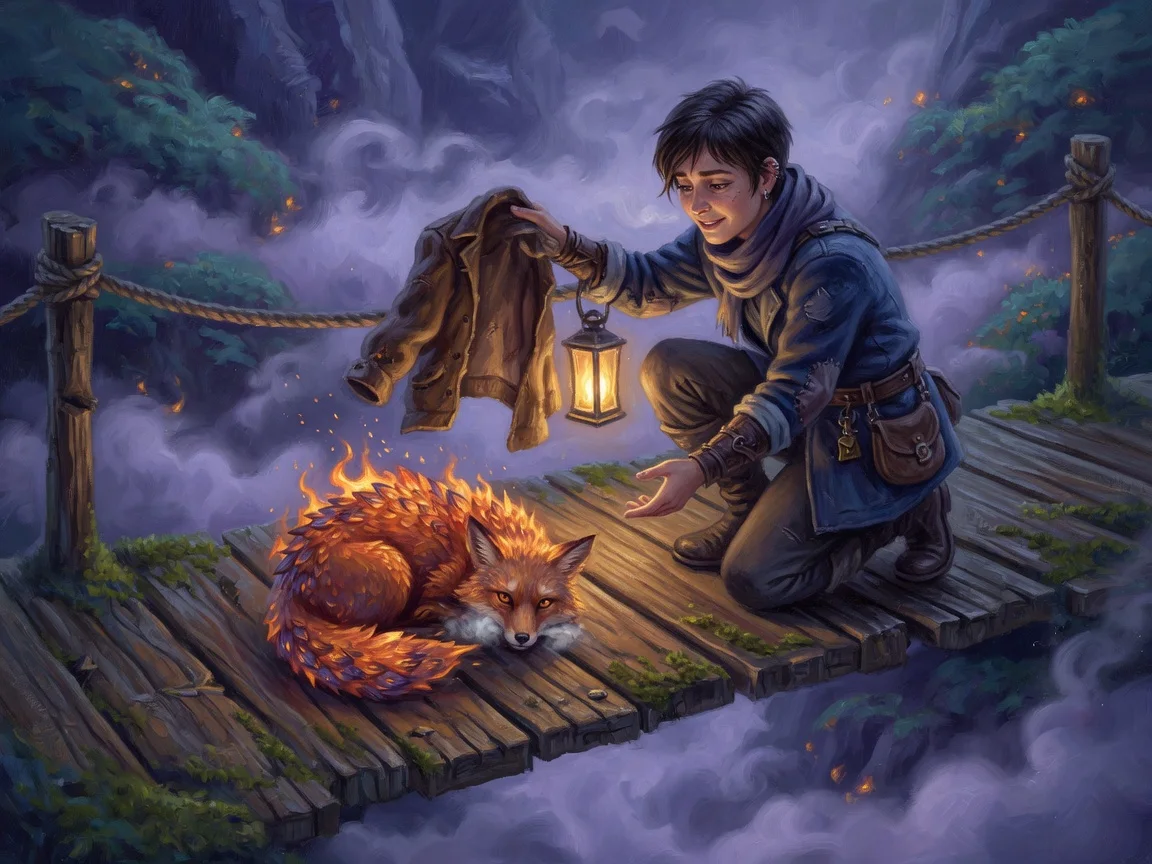
Old orchards, flooded ruins, cliff roosts. The extraordinary sits in everyday places if you look with care.
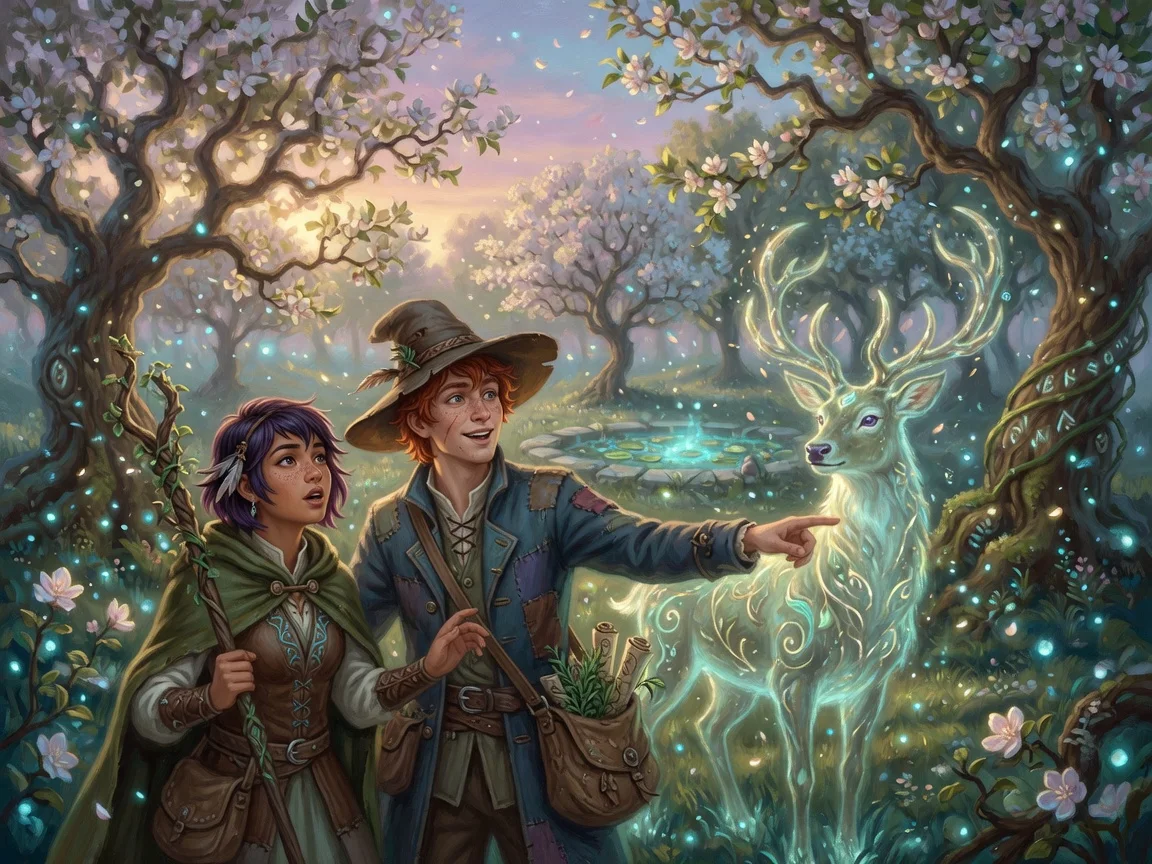
Trust is repaired in public. Evolution waits on a true Breakthrough, not a stat threshold.
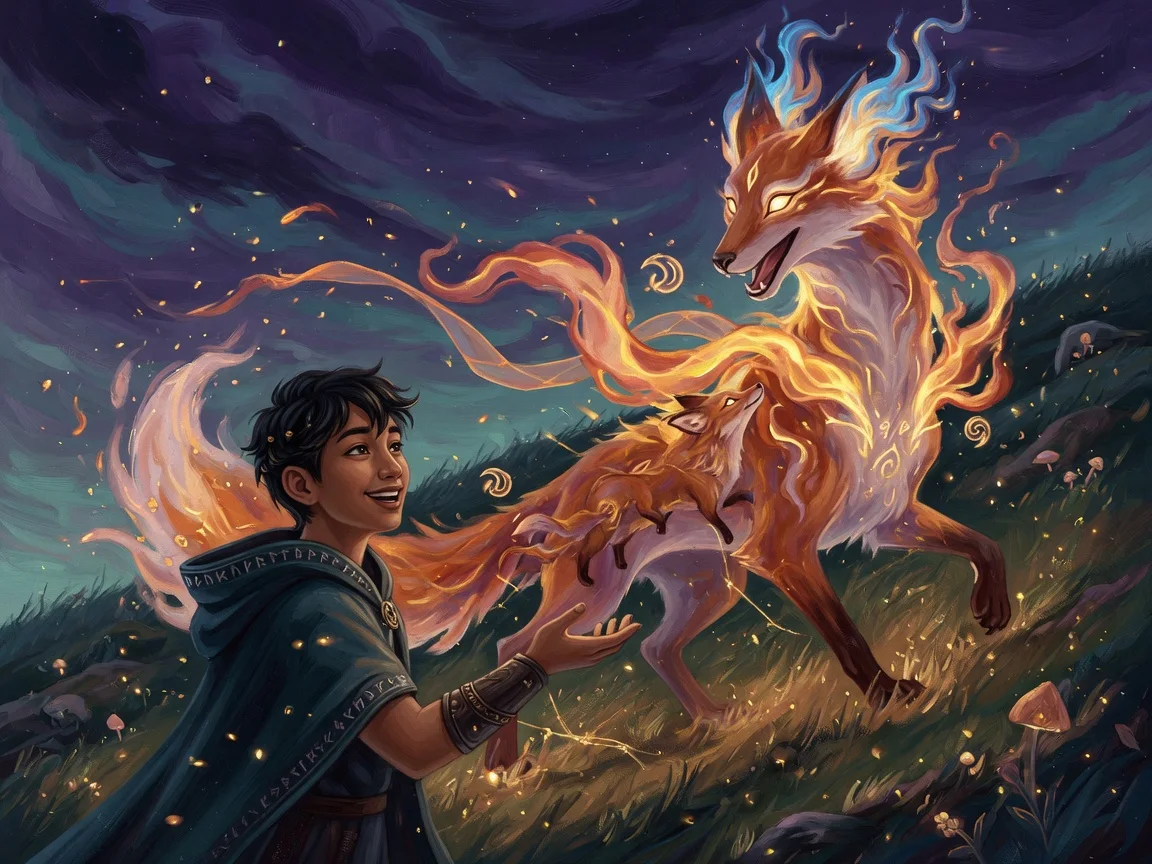
You do not need the video-game instincts of catching everything. This world rewards listening.
Arcana Beasts are not summoned from a list. They crystallize where three forces meet — a pattern first set by Arcanella.
Invisible energy in subterranean veins and sky-currents. Formless and volatile on its own.
Habitat shapes a body. Classification and Element arrive here — Tide in a river, Stone under a hill.
Fear, courage, play, calm. Feeling crystallizes Nature, and a someone wakes from energy.
Pearlescent, crowned in celestial gold, she poured Aether into the world’s veins and left Emotion as the spark that turns energy into someone. She does not rule by decree.
Sightings are rare and disputed: a white silhouette above a sanctuary at dawn, a golden wheel glimpsed through mist. Use her as cosmology, omen, or pilgrimage — not a common NPC.
Young people who form a primary Bond with one Arcana Beast. Communities treat it as a coming-of-age path — not every child walks it, but those who do become local figures of hope, trouble, or legend.
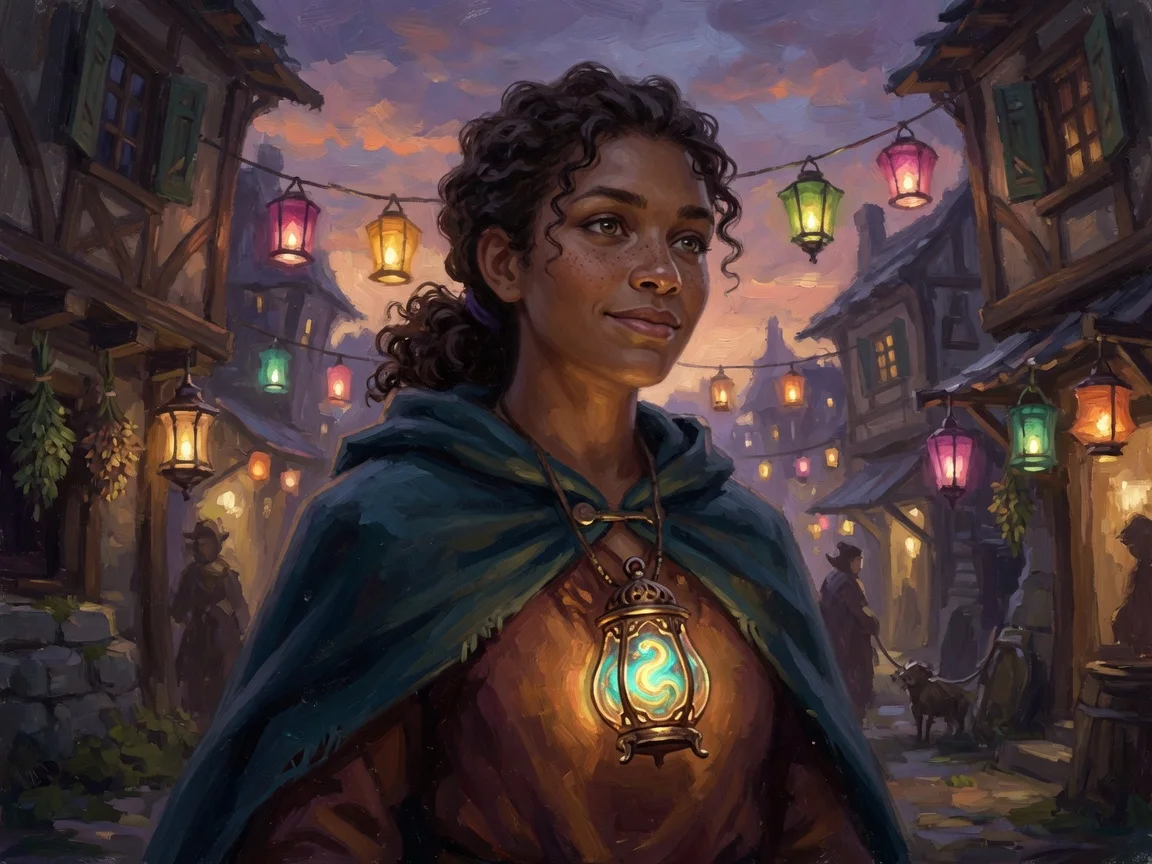
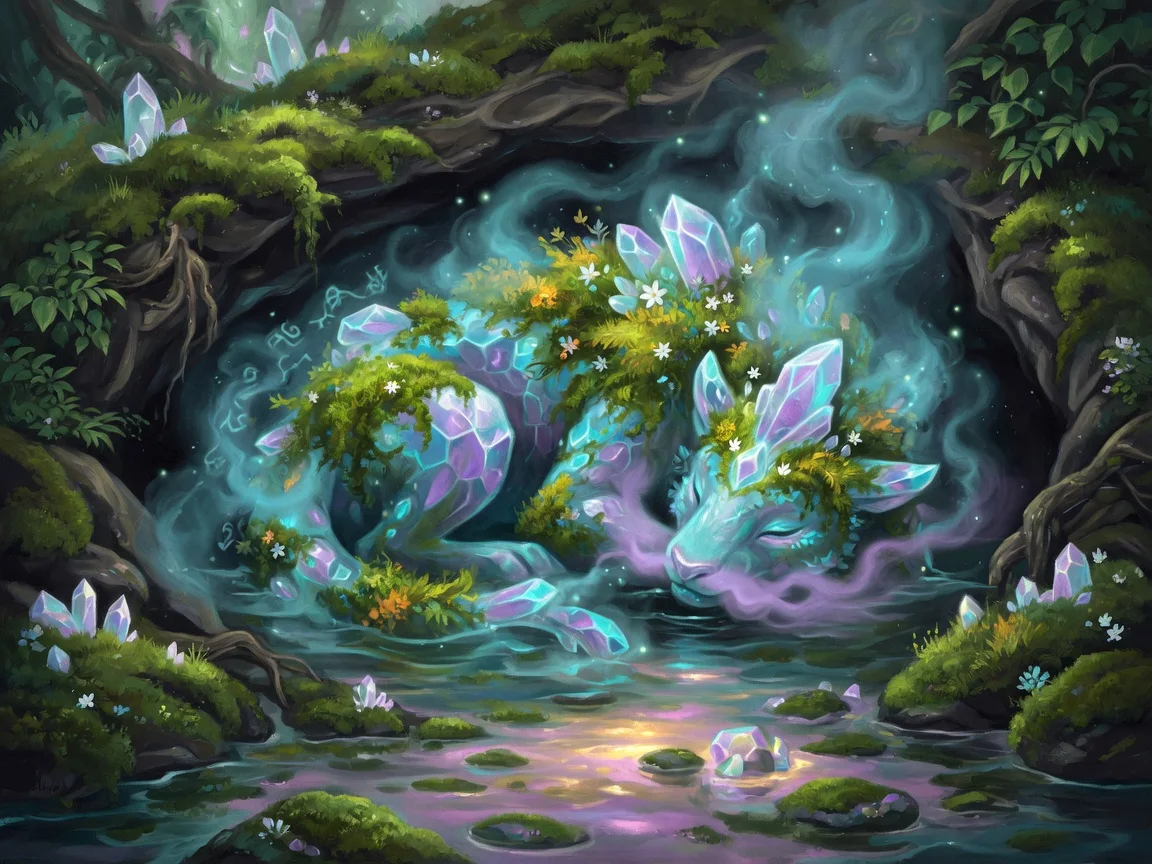
Elemental creatures with habitats, habits, and social ties. They communicate through behaviour long before they trust words. They may refuse a Bond, offer friendship, or become a rival.
Society expects Binders to protect a partner’s dignity as well as their safety — and to learn from failure in public, not hide it.
“I won’t command you. I’ll walk with you.”The Promise at Ember Bridge
The Bond is the emotional current between Binder and Beast. It is not a meter to min-max. A healthy Bond shows up as shared goals, promises kept when they cost something, and honest repair after harm.
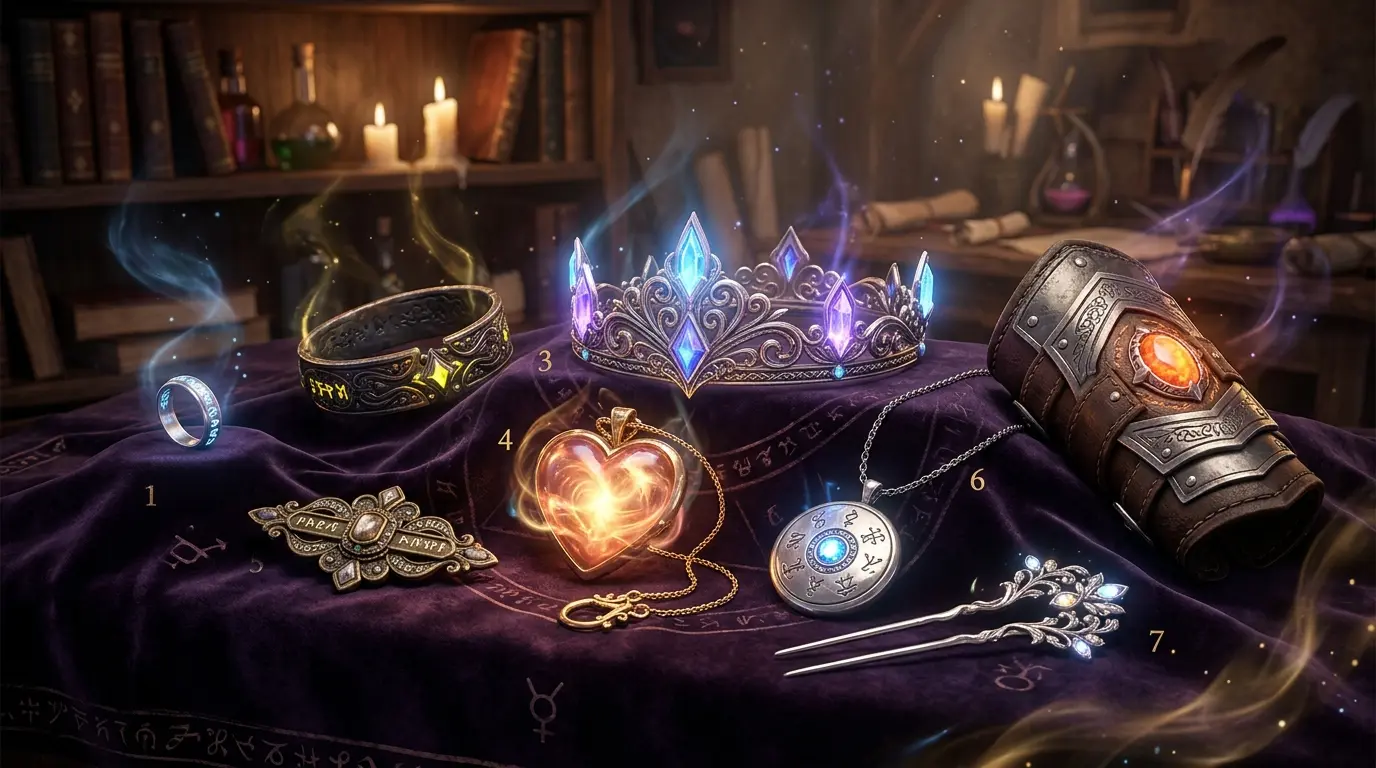
When a bonded Arcana Beast is not manifested, they may rest as condensed aether inside a Vessel the Binder wears — a ring, pendant, crown, gauntlet, or any form both partners accept.
Two truths must both be true: the Binder chooses the form, and the Beast accepts it as a safe place to rest. Forcing a vessel against a Boundary strains or breaks trust.
Every Arcana Beast is bound to one Element. Advantage grants Boost; disadvantage grants Setback. Each Element is strong against two and weak against two. There is no neutral.


Body and habitat family — Beast, Bird, Dragon, Flora, and more. Boosts in fiction, never raw stats.
Personality: a positive side, a negative side, and a passive feat. Play it; it is not a buff sticker.
You do not need to memorise fifteen matchups. Ask at the table, or open the Element Chart in a fight.

Wild baseline. Conserves energy. No Special Attacks.

A Bond anchors the template. Everyday partnered form.

Unlocked by a true emotional trigger. Die size steps to d8.
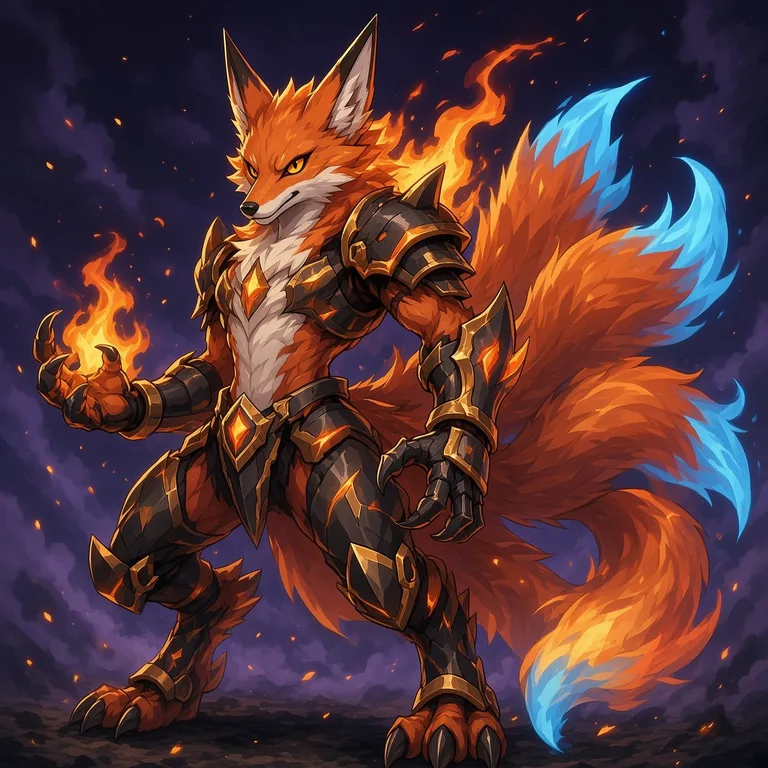
Another Breakthrough, new Qualities. Earned, never bought.
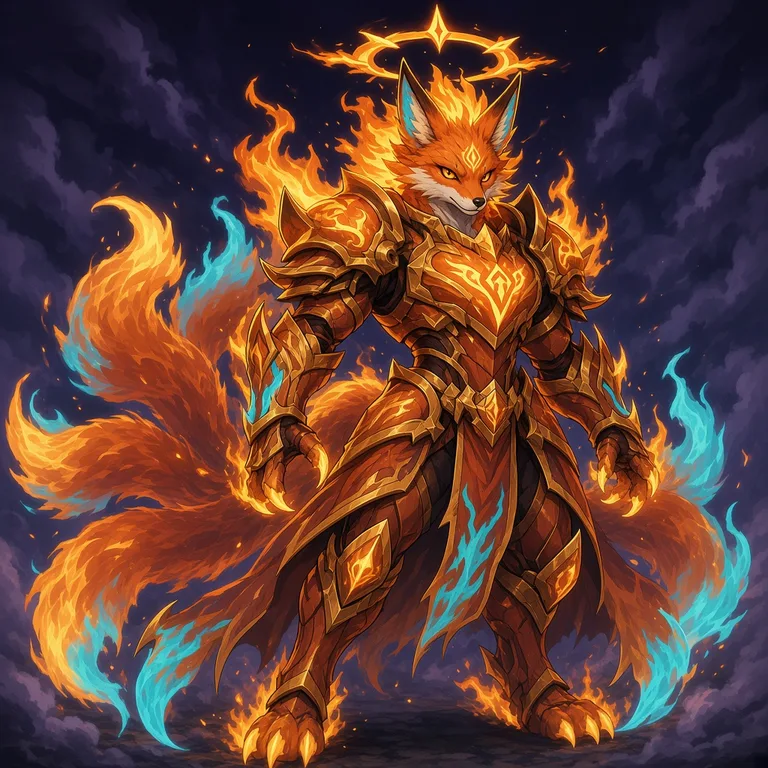
Peak form. Free when the trigger is true, then Devolve home.
Wild Beasts cannot climb past Stage 1 alone. The Bond is the conduit. Forced evolution without a true trigger produces Strain.

The Veiled Sea — the waters that frame the continent. Moonpier keeps a lantern harbor on one bay.
Forett & Eldenpeak — inland forest and a high northern peak. Sanctuary groves hide in both.
Sunfesa — warmer southern hills. Harvest roads, old orchards, and the odd greenhouse gone wild.
Shared ground — towns and wilderness are not halves of a map. Beasts live in both, and so do you.
Scale — a Binder pair is remarkable because they can leave. Most folk cannot simply walk to the next sanctuary.
Old orchards, flooded ruins, cliff roosts. Shared ground where pairs and wild Arcana Beasts negotiate peace. Towns keep shrines, bulletin boards, and grove rest-stops between adventures.
No teleport network, no aether trains. News arrives late and secondhand. A letter from Moonpier to Eldenpeak takes patience. Four capable, mobile people are already a story.
Vessels hold a partner. They do not light the street. Candles, firewood, and human muscle do the actual work. A Beast manifested in the market is something people remember.
Field Guide steps: Observe, Understand, Connect, Befriend. Record a Friend, Guide, Rival, or Sanctuary Ally. Completed entries earn Discovery Marks — never a Pokédex of prisoners.
Hollow Orchard stayed because three pairs documented every nest instead of starting a fight. Shared ground is the point.
Nobody expects you to memorise these. Ask at the table — that is what session zero is for.
Presents the world, plays everyone you meet, and referees the rules. They are not your opponent.
Each of you plays one Partner Duo — a Beast Binder and their bonded Arcana Beast. Describe what they do and why.
“The flame fox will not cross Ember Bridge. The gorge wind is lying again.”
Binder: I sit down. I don’t command. I offer the jacket.
GM: Roll Spirit to see whether they trust the gesture.
Binder: *rolls* Three successes. I wait with them until the wind changes.
The GM frames a scene. You answer in character. When the outcome is in doubt, the dice decide.
Binders always roll d6: Stat + Talent. Beasts add Quality (and Special Attack when it applies). Die size climbs with Stage — d6, then d8, d10, d12.
Each die showing 4 or higher is one success. Beat the Difficulty, or beat the other side in an opposed test. Dice never subtract.
Boost succeeds on 3+. Setback needs 5+. They cancel. Two of the same become Double. Element and care both change the weather.
Difficulty 1 is routine, 3 is hard, 5 is legendary. Miss by exactly one and the GM may offer a costly success.
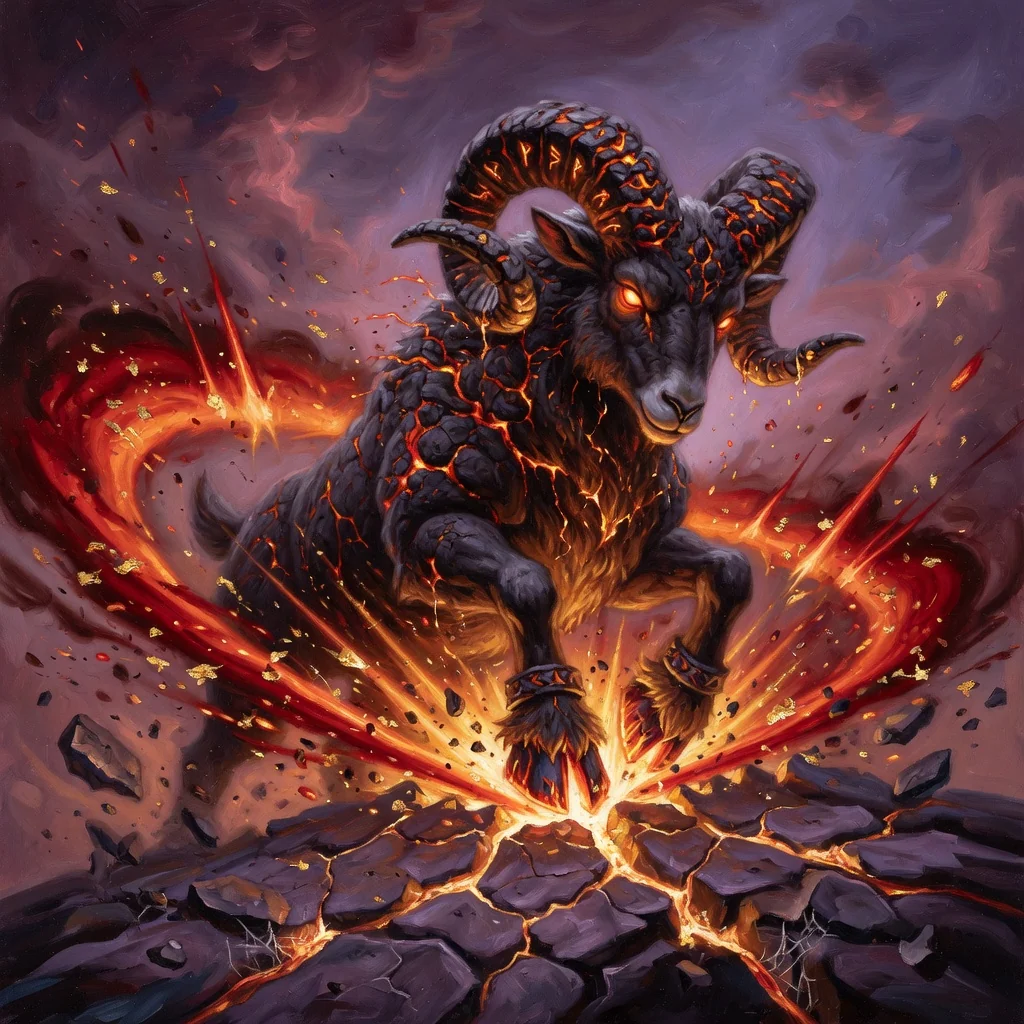
Force and impact. Sets the damage an attack lands for.

Staying power. Sets how much HP you have to spend.
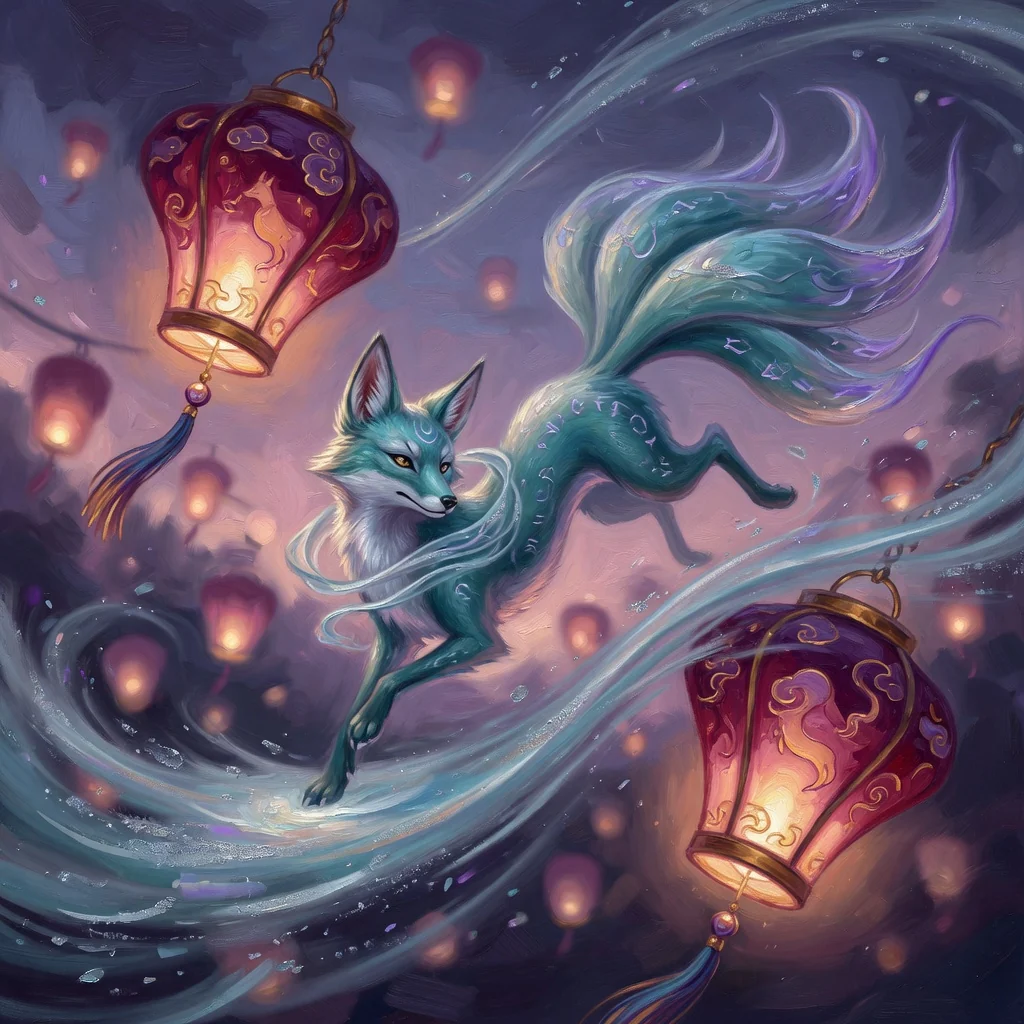
Speed and evasion. Sets both Dodge and Initiative.

Presence and heart. Carries persuasion, calm, and trust.
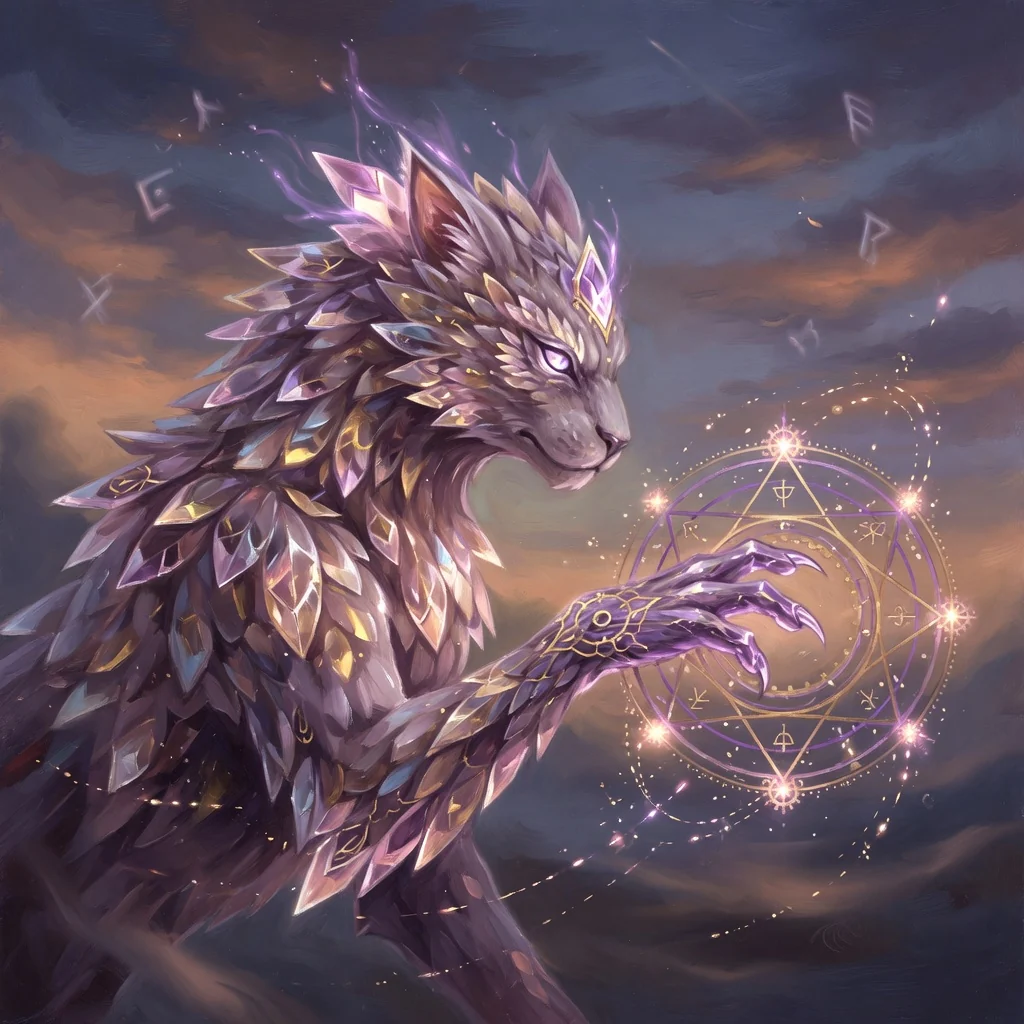
Precision and craft. Sets how many Special Attacks you get.
4 + 3×Stage + 2×Endurance. A Stage 0 Beast uses 2×Endurance instead.
Brawn + Stage, plus one for every success you beat the defender by.
Equal to Agility at every Stage, before defensive Qualities are added.
The Binder’s own resource. Spend it to push your partner when it counts.
A starting Binder has 1 in each stat plus 10 points to spread, maximum 4 in any one. You will never need to do this maths at the table — the sheet does it.
Everyone rolls their Beast’s Agility against each other. Highest goes first, and that order holds for the whole fight. Caught by surprise? Roll it with Setback.
Your turn has two halves. The Binder gives a Command first, then the Arcana Beast takes an Action. Either of you may also move one distance band for free.
Attack pool against the target’s Dodge. More successes than them means a hit. Damage is your base, plus one for each success beyond theirs.
Nothing here forces a fight to the death. Retreat is always on the table, and so is surrender.
You never roll to make your Arcana Beast obey. You roll to help them — and this is the whole list of how.
No roll. Their next Action gains +1 die. The bread-and-butter command.
Spirit against Difficulty 1. Clear one negative condition, or add +1 die to a Dodge this turn.
Technique against Difficulty 2. Their next attack ignores one positional advantage the target holds.
No roll. They Devolve one Stage on the spot, or leave the fight with Boost on the escape.
Reach for your Stuff. The GM decides what it does and whether it needs a roll.
No roll, but it costs 1 Stamina. Your partner gains Boost on every roll this turn.
Bond Surge is the mechanical shape of the whole game: your Binder spends something of their own so their partner can do more.
Type, talents, a Flaw, a Desire, and five B.E.A.S.T. stats. One sentence is enough: “a bookworm who has never left the lantern streets.”
Element, Classification, Nature, Want, Fear, Instinct, Boundary. Start at Stage 1 if you are already bonded — Stage 0 if you are still wild.
Record an accepted Vessel. Decide what you owe each other. The sheet is a reminder; the table is where the Bond becomes visible.
You start as a nobody with everything to prove. That is the point.
Every Binder starts the same way: pick a Type, take two of its Talents at Rank 1, one Flaw, and one Desire. Here is what that looks like finished.
Knows the migration charts by heart. Has never once spoken first.
Grew up past the last lantern. Reads weather better than people.
The one every hurt creature walks toward. Cannot turn any of them away.
Thirty-one Types are in the book — Delinquent, Gamer, Sanctuary Keeper, Retired Vanguard, and more. Your Flaw is not a penalty; it is the thing the table will love you for.
You know the world. You know the Bond.
Now make a pair who belong in it — and walk out the door.
Arcana Beast is an original TTRPG by Sylanael. Setting and rules © the author. For personal table use.